Spicy Sauces · September 11, 2026
Ghost Pepper Sauce for Cooking: Start Drop by Drop
Use ghost pepper sauce in a separate optional portion. Check labels, allergens, handling precautions, and food safety while keeping a mild meal available.
| Situation | Practical choice | Information for diners |
|---|---|---|
| Guests have mixed heat preferences | Keep the main dish mild and sauce separate | Name the sauce and make declining easy |
| A new bottle has unfamiliar strength | Evaluate a small separate portion | Explain that the recipe is being tested |
| Ingredient or allergen information is unclear | Do not serve it to someone who needs that information | Preserve the label and choose an alternative |
| Sauce spills or irritates skin or eyes | Stop preparation and seek appropriate exposure guidance | Tell helpers what product was involved |
| A guest becomes uncomfortable | Stop the tasting; do not encourage another bite | Offer space and assistance without pressure |
Start here
Treat ghost pepper sauce as an optional seasoning to evaluate in a small separate portion. Read the label first, keep the main dish mild until you know what works, and let every diner decline the heat. One drop is a cautious handling idea, not a universal safe dose: sauces differ in concentration, ingredients, and how easily the bottle pours.
At a glance: TL;DR before opening the bottle
Use a clean utensil to add a very small amount to a separate portion, mix thoroughly, and let a willing adult decide whether to taste it. Never require participation, make a heat challenge part of dinner, or hide the sauce in shared food. Protect skin and eyes, ventilate preparation, check allergens, and keep a clearly labeled mild alternative. Stop if the sauce causes distress or the meal becomes difficult to handle comfortably.
Read more than the pepper name
“Ghost pepper” identifies an ingredient or flavor theme, not a standardized recipe. Examine the ingredient list, serving information, storage directions, and any manufacturer warnings. Some products include other peppers or concentrated ingredients. A familiar name on the front does not tell you that two bottles will behave the same way in a recipe.
Check the cap and pouring opening before holding the bottle over food. A wide opening or thick sauce can release more than intended. Put a small amount onto a clean measuring utensil away from the main pot instead of shaking the bottle directly into the meal. Keep the label available so guests can review it themselves.
Set up a separate tasting portion
Finish the base dish without the ghost pepper sauce. Transfer a small portion to a separate bowl using a clean utensil. Add a minimal amount of sauce according to the product's directions, stir thoroughly, and keep this bowl distinct from the shared food. If the product warns against ordinary direct consumption or use in the proposed way, choose a different seasoning.
Let the sample reach a comfortable eating temperature before a willing adult evaluates it. A very hot dish can make the tasting process harder to judge. There is no need to taste repeatedly or increase the amount to prove tolerance. If the first portion is unpleasant, use the mild meal and leave the sauce aside.
Scale by the dish, not by bravado
A successful sample is information about that sample, not a guarantee for the whole pot or every diner. The sauce may not distribute evenly, and people differ in preference and tolerance. For shared meals, serving the sauce separately is often simpler than trying to find one heat level that suits everyone.
If you choose to season a larger batch, write down the amount of food and the small amount added, mix carefully, and pause before considering more. The record helps you reproduce a preferred flavor later. Do not treat the calculation as a medical safety limit or assume that doubling the food always makes a distressing sauce experience acceptable.
Match the sauce to the cooking stage
Consider whether the sauce is intended as a finishing condiment or a cooking ingredient. Follow its instructions and those of the recipe. Avoid improvised high-heat experiments with an unfamiliar concentrated product. Keep your face away from rising steam and provide ventilation when preparing hot peppers or spicy sauces.
Capsaicin can irritate skin, eyes, the digestive tract, and the airways. Poison Control's capsaicin guidance recommends gloves when handling hot peppers and avoiding contact with the face and eyes. If preparation causes coughing or discomfort, stop and move away from the exposure rather than pushing through to finish the recipe.[1]
Use a serving decision table
These are hosting choices, not a protocol for making extreme spice consumption safe. The purpose is a meal people can enjoy voluntarily, with enough information to decide what they want.
Keep allergens and heat as separate questions
A mild dish can contain an allergen, and a hot sauce can contain ingredients that are unrelated to capsaicin. Ask guests what information they need, read the complete label, and do not describe a sauce as allergy-safe because it is vegan, homemade, or mostly peppers. Check labels again when opening a replacement bottle because formulations can change.
Use separate utensils and avoid touching the mild portion with the spoon used for the sauce. A separate bowl does not by itself resolve cross-contact concerns for a person with a food allergy. The FDA's food allergy information explains allergen labeling and why accurate ingredient information matters. Let the affected person make an informed choice and avoid guessing on their behalf.[2]
Do not let the spice distract from food safety
Handle the base meal using ordinary food-safety practices: clean preparation surfaces, separate raw and ready-to-eat foods, use appropriate cooking temperatures, and refrigerate perishables promptly. Pepper heat is not evidence that a dish is free of harmful microorganisms. Follow storage directions on commercial sauce and use tested guidance for homemade preparations rather than assuming acidity or spiciness makes them shelf-stable.
The FoodSafety.gov four-step guidance provides the clean, separate, cook, and chill framework. Plan serving time and leftover storage before guests arrive. Keep the original sauce label with the bottle and label any prepared food so a later diner knows that ghost pepper sauce was added.[3]
Prepare for an uncomfortable exposure
Stop eating or handling the product if it causes distress. Do not turn relief into another challenge or offer unverified remedies as a substitute for professional advice. Keep the bottle available so an exposure specialist can identify the ingredients and concentration information on the label.
In the United States, Poison Control can provide guidance at 1-800-222-1222. Breathing difficulty or chest discomfort requires emergency attention; Poison Control advises calling 911 for those symptoms. Follow professional instructions for skin or eye exposure rather than experimenting with substances around the eyes. Capsaicin exposure guidance[1]
Questions cooks ask
Is one drop always a reasonable starting amount?.
No fixed amount fits every product or person. Follow the label, avoid concentrated products that are unsuitable for the recipe, and consider choosing a milder sauce. The title describes controlled addition rather than free pouring; it does not establish a safe dose.
Can I rescue a whole pot that is too hot?.
You may be able to improve flavor by combining some of it with additional unseasoned food, but that is not a guarantee that everyone can comfortably eat it. Keep a separate mild meal available and do not pressure guests to eat a rescue attempt. Discard food when ingredient or handling safety is uncertain.
What should I write in my recipe notes?.
Record the sauce brand and variety, the amount used, the quantity of food, when it was added, and the preference of the people who chose to taste it. Avoid turning another person's discomfort into a rating or competition.
Make the next meal easy to opt into
Choose a familiar mild recipe, place the labeled sauce beside clean serving utensils, and prepare one separate optional portion. The Flameathon resource library offers more ideas for flavor-focused gatherings. Food safety, allergen needs, capsaicin tolerance, and a comfortable opt-out should remain part of the plan from preparation through leftovers.
Recommended Next Step
Compare heat picks that fit this topic.
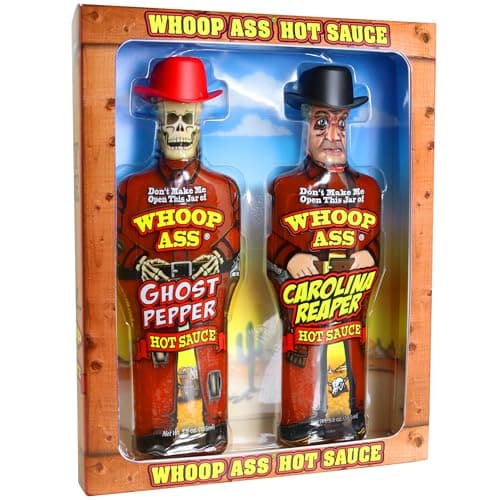
Premium Ghost Pepper and Carolina Reaper Gift Set
Best superhot two-bottle sampler
A compact gift set for experienced heat fans who want to compare two famous superhot pepper styles without buying a full shelf of sauces.
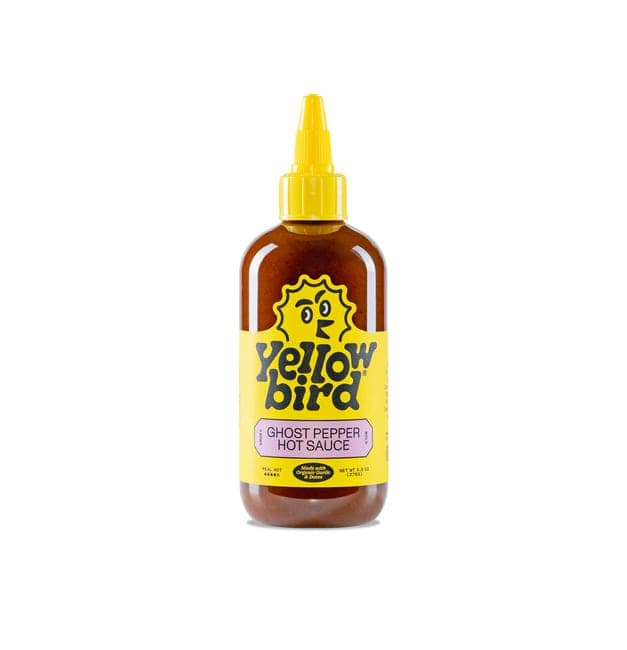
Yellowbird Classic Ghost Pepper Hot Sauce
Best everyday squeeze-bottle ghost sauce
A practical ghost pepper bottle for people who want smoky heat on tacos, eggs, burgers, bowls, grilled food, and party plates without buying a novelty challenge box.
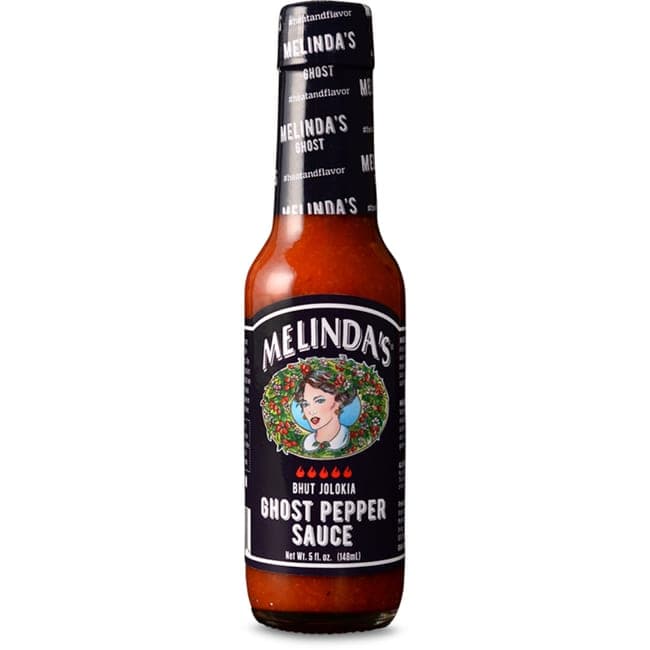
Melinda's Ghost Pepper Hot Sauce
Best classic ghost pepper bottle
A straightforward ghost pepper sauce for experienced heat fans who want the pepper named clearly and enough savory base to use tiny amounts on real food.
Quick answers
What should I compare before acting on "Ghost Pepper Sauce for Cooking: Start Drop by Drop"?
Compare the ingredients, allergens, heat level, serving size, seller details, and storage instructions, and whether the product matches your group and serving setup.
Should I buy from the article image alone?
No. Use the article to narrow the right product category, then open the buying checklist and retailer listing to confirm current ingredients, allergens, heat level, seller details, pack contents, and return policy.
What is the safest first step before buying?
Confirm the product category fits your guest preferences, label needs, heat tolerance, and serving plan, then check manufacturer instructions and current labels and source references before purchase.
Related Guides
Read Next
Build a Hot Sauce Tasting Flight Without Overdoing It
A practical guide to build a hot sauce tasting flight without overdoing it, with clear decisions, cautions, and next steps.
Read articleWhat Are Spicy Sauces
What Are Spicy Sauces: a practical, evidence-aware guide with implementation steps, decision criteria, cautions, and a reusable checklist for spicy sauces gu...
Read article5 Types of Sauces Explained
5 Types of Sauces Explained: a practical, evidence-aware guide with implementation steps, decision criteria, cautions, and a reusable checklist for spicy sau...
Read article