Spicy Sauces · September 14, 2026
Hot Honey Tasting Board: Sweet Heat Pairings
Hot Honey Tasting Board: Sweet Heat Pairings: a practical, researched guide with decisions, implementation steps, a comparison table, an original visual, source
| Mild base | What to compare | Label questions | Serving arrangement |
|---|---|---|---|
| Plain cracker or bread | Crispness, grain flavor, sweetness | Wheat, sesame, and other listed ingredients | Plain pieces with dedicated tongs |
| Familiar cheese | Richness against honey sweetness | Milk and any added ingredients | Small chilled batches with a separate utensil |
| Apple or pear | Freshness and texture | Preparation and any added ingredients | Clean individual portions |
| Plain alternative chosen by the guest | Whether the food is enjoyable without heat | Guest-specific dietary needs | Separate plate away from the honey |
Start here
Build a hot honey board around a few mild foods, serve the honey separately, and let each guest choose whether to add heat. Use commercially labeled products with clear storage instructions, protect perishable foods with time-and-temperature controls, and keep ingredient information beside the board. A successful tasting gives people useful flavor comparisons without rewarding discomfort.
At a glance: flavor with an easy exit
1. Choose one clearly labeled hot honey. Keep its original container available instead of starting with several unknown heat levels. 2. Offer three or four mild pairing bases. Separate plain portions should remain available throughout the tasting. 3. Display ingredients and allergen information. Check the honey, crackers, cheese, and every other component independently. 4. Use individual portions and dedicated utensils. Avoid shared dipping and protect guests from cross-contact. 5. Track perishable serving time. Put out small batches and replenish with fresh chilled portions. 6. Ask about flavor, not endurance. Declining, stopping, or choosing the plain option is always welcome.
Pick a product you can describe honestly
Read the original label before planning the board. Note the honey ingredients, added peppers or flavorings, allergen statements, and storage directions. “Hot” is not a standardized promise about how any particular guest will experience the product. A familiar brand can also have several formulations, so identify the exact bottle rather than relying on a memory of one you tried elsewhere.
This board does not require homemade infused honey. Adding fresh ingredients changes a product and may introduce storage questions that a commercial bottle's instructions do not answer. If you prepare your own mixture, use an authoritative tested process appropriate to that preparation; do not infer shelf stability from honey alone. When those instructions are unavailable, choose a labeled commercial product for the tasting.
Keep the bottle where guests can read it without passing it over ready-to-eat food. If you decant a small amount into a serving vessel, label the vessel with the product name and use it only for that product. Never refill an unlabeled container from several bottles and then present it as a single known sauce.
Choose pairings that reveal a difference
Start with contrasting textures rather than a large shopping list. Plain crackers or bread can offer a crisp or chewy base; a cheese the guests already enjoy can add richness; apple or pear slices can supply a fresh comparison. These are serving ideas, not claims that a particular food neutralizes capsaicin or is suitable for every allergy or dietary need.
Keep at least one portion of each base untouched by hot honey. Guests can compare a plain bite with a separately dressed bite, or simply eat the plain food. A whole platter coated in advance removes that choice and makes both ingredient identification and portion control harder.
Avoid stacking multiple spicy ingredients into the first comparison. Pepper cheese, chili crackers, and hot honey together make it difficult to know which element creates the flavor or irritation. Once guests understand the single product, they can choose a more complex pairing if they want one. There is no requirement to increase the heat during the event.
Use a simple pairing table
The table is a planning aid, not an allergen clearance. Products within the same food category can differ substantially. Read each package and ask guests about their needs before buying food. If you cannot confidently establish an ingredient or avoid relevant cross-contact, do not describe that portion as suitable for the guest.
Put allergen information where it is useful
The FDA food-allergy guidance is an authoritative starting point for understanding food labels and major allergens. Keep original packages or readable photographs available. A handwritten “contains dairy” card may be helpful, but it should not replace the complete ingredient information for a multi-ingredient cracker, cheese spread, or flavored honey.[1]
Assign a utensil to each component and keep it with that dish. Do not move a cheese knife onto an otherwise separate bread plate or let a honey spoon touch a guest's food and return to the serving bowl. Make the arrangement easy to maintain: small separated dishes work better than a crowded board where foods and utensils constantly touch.
For a guest with a serious allergy, discuss arrangements directly and respect their decision to bring food or decline. A home tasting host should not promise an allergen-free environment based solely on separate spoons. Uncertainty is a reason to offer a different plan, not to ask the guest to accept the risk for the sake of participating.
Manage perishable food as a timed service
Cheese and other perishable components need their own temperature plan regardless of the honey's storage label. USDA guidance calls for refrigerating perishable food within two hours, or one hour when the temperature is above 90°F. See the USDA explanation of the two-hour rule. Keep track of cumulative time rather than restarting the clock whenever a tray moves.[2]
Set out small portions and hold replacements under appropriate refrigeration. Replace a serving dish instead of topping old food with new food and losing track of exposure. Mark the time the first batch leaves temperature control and assign one host to monitor it. A phone timer is useful if someone is responsible for responding when it sounds.
Use clean hands, clean utensils, and appropriate preparation surfaces. Keep raw animal foods and their equipment out of the ready-to-eat board workflow. If food has exceeded a safe holding limit, discard it rather than relying on appearance or smell. The party schedule should adapt to the food-safety plan, not the other way around.
Make the tasting voluntary and descriptive
Invite guests to begin with a tiny amount if they choose to taste. Do not prescribe a universally comfortable dose: product strength and individual capsaicin tolerance vary. Give everyone a plate and let them control their own portion. Avoid challenges, competitive rankings of toughness, or surprise additions to somebody's food.
Useful prompts include “Did the sweetness cover the cheese?” and “Which texture did you prefer?” They keep the discussion on flavor. A guest who stops tasting can still compare the plain bases or help record observations. Nobody needs to explain a medical condition or defend a preference to opt out.
Capsaicin can irritate skin, eyes, airways, and the digestive tract. Avoid touching the face while handling spicy products and wash appropriately after food preparation. Consult Poison Control's capsaicin guidance for exposure concerns; seek prompt help for severe symptoms. Do not treat a dairy pairing as a medical response plan or keep serving someone who is distressed.[3]
FAQ
Should the board get hotter as the evening continues?.
No. A single hot honey with several mild bases can provide a useful tasting. Guests can repeat a preferred pairing or remain with plain food without progressing to anything stronger.
Can I drizzle everything before guests arrive?.
Separate service gives people control over ingredients and heat. Keep plain portions available and let each guest decide whether to add honey to their own serving.
Can infants taste the honey?.
Do not give honey to children younger than 12 months because of infant botulism risk. Follow CDC infant feeding guidance. This tasting plan is not an infant feeding activity.[4]
Your next action
Choose one labeled honey and three familiar mild bases. Write the ingredient cards, assign the utensils, and plan the first small chilled batch before inviting guests to taste. Review the ingredient-label checklist and tasting-flight guide for related preparation. Food safety, allergen certainty, personal tolerance, and a pressure-free opt-out take priority over completing the board.
Recommended Next Step
Compare heat picks that fit this topic.
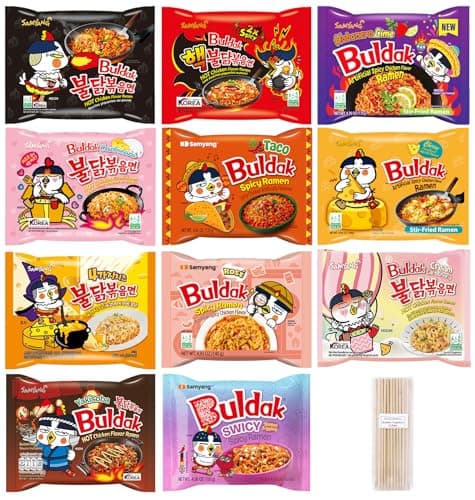
Samyang Buldak Hot Chicken Ramen Variety Pack
Best broad ramen heat flight
A broader ramen flight for heat seekers who want to rank flavors, sauces, and spice levels across a familiar spicy noodle family.
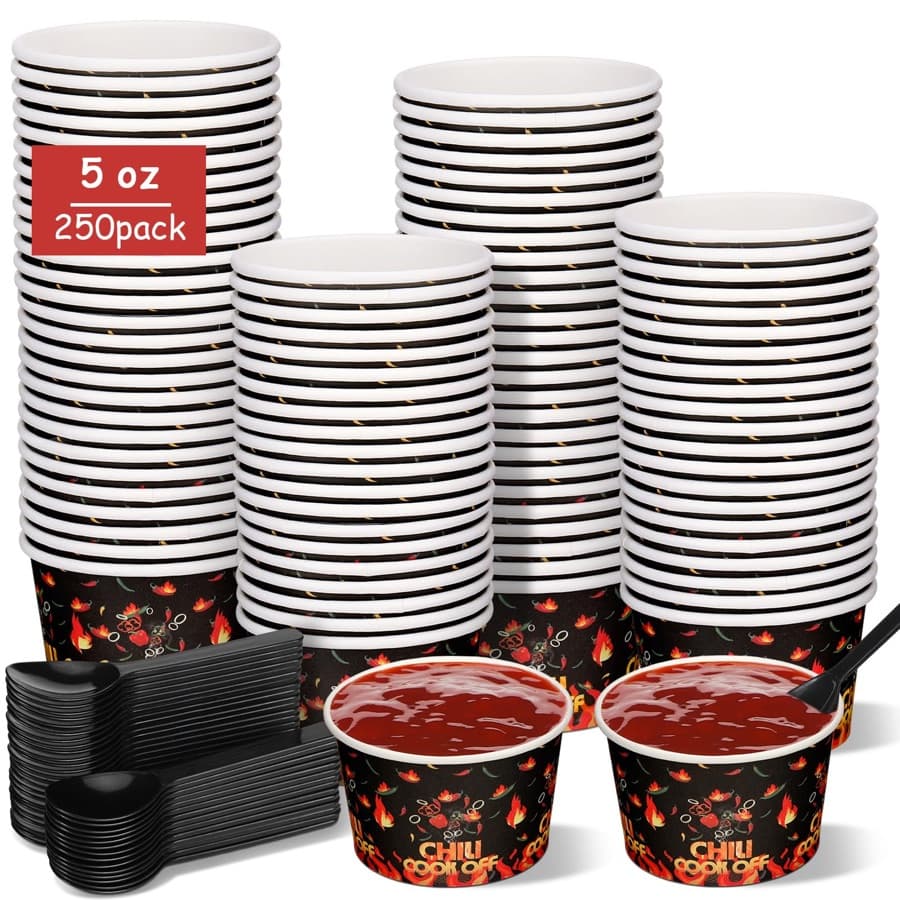
RimCereal Hot Sauce Tasting Party Cups and Spoons
Best responsible tasting support
A practical party-supply kit for people who want small tasting portions, cleaner serving, and a more organized hot sauce flight.
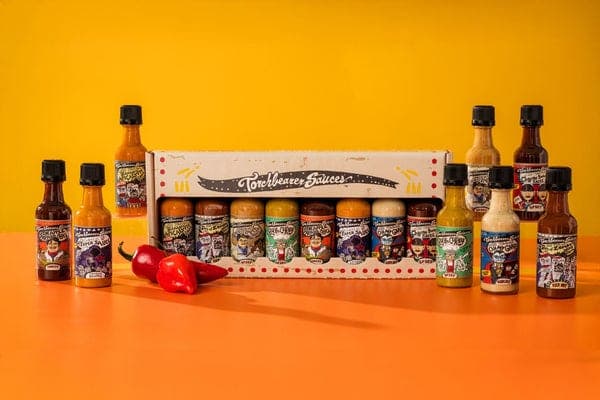
Torchbearer Sauces Best Sellers Mini Bottle Pack
Best flavor-forward mini hot sauce flight
A more culinary tasting set for people who want respected hot sauce flavors in small bottles rather than a pure pain challenge.
Quick answers
What should I compare before acting on "Hot Honey Tasting Board: Sweet Heat Pairings"?
Compare the ingredients, allergens, heat level, serving size, seller details, and storage instructions, and whether the product matches your group and serving setup.
Should I buy from the article image alone?
No. Use the article to narrow the right product category, then open the buying checklist and retailer listing to confirm current ingredients, allergens, heat level, seller details, pack contents, and return policy.
What is the safest first step before buying?
Confirm the product category fits your guest preferences, label needs, heat tolerance, and serving plan, then check manufacturer instructions and current labels and source references before purchase.
Related Guides
Read Next
Build a Hot Sauce Tasting Flight Without Overdoing It
A practical guide to build a hot sauce tasting flight without overdoing it, with clear decisions, cautions, and next steps.
Read articleWhat Are Spicy Sauces
What Are Spicy Sauces: a practical, evidence-aware guide with implementation steps, decision criteria, cautions, and a reusable checklist for spicy sauces gu...
Read article5 Types of Sauces Explained
5 Types of Sauces Explained: a practical, evidence-aware guide with implementation steps, decision criteria, cautions, and a reusable checklist for spicy sau...
Read article