Safety and Hosting · September 7, 2026
Hot Sauce Tasting Party: Build a Flavor-First Heat Ladder
Plan a hot sauce tasting around flavor, tiny portions, transparent allergen labels, safe food handling, and an opt-in heat progression.
| Round | Host cue | Portion and pause |
|---|---|---|
| Aromatic | Identify pepper, acid, fruit, smoke, or spice | One drop; discuss flavor before heat |
| Mild | Compare texture and salt balance | Small dab; pause several minutes |
| Medium | Check comfort and label again | Tiny bite with plain food |
| Hot | Invite a fresh opt-in | One product only; longer pause |
| Extreme | Usually omit; never make it a dare | Only informed adults may choose to proceed |
The short answer
A good hot sauce tasting party is a guided flavor flight, not an endurance contest. Choose four or five sauces with different flavor profiles, arrange them from mild to hot using manufacturer information, serve tiny measured portions on plain food, pause between rounds, and let every guest opt out without explanation.[1] [7]
Before serving, retain every original label and ask guests about the nine major food allergens. Do not rely on color, pepper name, or a host’s tolerance to predict another person’s response. This guide is educational and not medical advice; people with health concerns should consult an appropriate clinician.[5] [6] [9]
Choose sauces for contrast, not punishment
Build the flight around flavor families: bright vinegar, roasted pepper, fruit-forward, smoky, fermented, herbal, or savory. A ladder is more interesting when each step changes both flavor and perceived heat. Five nearly identical superhot sauces teach guests very little and make portion control harder.[7] [0]
Treat Scoville claims as rough context, not a promise about the experience. Product formulation, serving size, food pairing, and individual sensitivity all matter. Use the maker’s current label and serving guidance, and omit products marketed primarily as challenges or containing highly concentrated capsaicin unless the gathering and participants are specifically equipped for them.[8] [1] [2]
Create an allergen and ingredient station
Place the original bottle beside each tasting cup and provide a printed card with product name, ingredients, declared allergens, heat position, and a clean utensil. Common sauce or pairing ingredients may include milk, egg, soy, wheat, sesame, peanuts, tree nuts, fish, or shellfish.[5] [6] [9]
Do not promise an allergen-free experience unless the entire sourcing, kitchen, equipment, and service process supports that statement. Cross-contact can occur through spoons, cutting boards, fryer oil, gloves, shared bottles, and guests returning used utensils to the table.[5] [4]
Prepare the food safely
Use bite-size portions on neutral foods such as plain rice, bread, potato, or properly cooked protein, while accommodating dietary needs. Follow the standard clean, separate, cook, and chill steps: wash hands and surfaces, keep raw foods apart, cook to safe temperatures, and refrigerate perishables promptly.[3] [4]
Assign one server or use single-use droppers so guests do not touch bottle openings. Keep sauces requiring refrigeration cold until service, note open dates, and discard food that has been held outside safe conditions. Capsaicin does not make unsafe food safe.[3] [4]
Set the room before guests arrive
Provide water for hydration, plain food, napkins, handwashing access, and a clearly marked disposal area. Dairy may reduce the sensation for some people, but it is not suitable for every guest and should not be framed as an antidote. Avoid touching eyes and contact lenses after handling sauce; use gloves for concentrated or superhot products.[1] [5]
Keep children and pets away from the serving and cleanup area. Do not combine the tasting with speed rules, alcohol pressure, surprise ingredients, prizes for finishing, or social penalties for stopping. Consent should be renewed at every hotter round.[2] [1]
Host each round with a pause
Introduce the sauce, read the relevant label, serve one measured taste, and ask guests to describe aroma and flavor before discussing heat. Wait several minutes before offering the next round. The delay lets participants notice their response and keeps the group from stacking portions faster than discomfort develops.[1] [8]
Use a simple 0-to-5 personal comfort scale rather than asking who is toughest. Zero means no heat, three means enjoyable but clearly hot, and five means stop. The scale is not comparable between people; it is a communication tool for each guest.[1]
Know when the tasting is over
Stop serving a participant who reports severe or escalating symptoms. Chest pain, trouble breathing, fainting, confusion, persistent vomiting, or other concerning symptoms warrant prompt medical evaluation; call emergency services for life-threatening symptoms. Contact Poison Control in the United States at 1-800-222-1222 for exposure guidance.[1] [2]
After the event, cap and refrigerate products as their labels require, clean surfaces and utensils, wash hands, and record which flavor combinations guests actually enjoyed. The most useful outcome is a shortlist people want to cook with again—not a photograph of someone in distress.[3] [4]
A host checklist worth reusing
Confirm participants, dietary restrictions, original labels, serving order, portion tools, food temperatures, cross-contact controls, handwashing, relief foods, child and pet boundaries, and an emergency contact plan. Put one person in charge of service so the ladder does not become a free-pour table.[5] [3] [1]
End with tasting notes: flavor, best pairing, comfortable heat, and whether the sauce belongs in cooking, at the table, or not in the group’s rotation. That turns novelty into a genuinely useful guide for the next meal.[7]
Design pairings that reveal flavor
Use the same neutral base across a comparison when you want to isolate sauce differences, then add a second pairing that shows intended use. A fruit-forward sauce might be compared on rice and roasted vegetables; a smoky sauce might be tried on a properly cooked protein and a plant-based alternative.[7] [4]
Keep portions independent. Guests should not have to eat a large wing, noodle bowl, or spoonful to sample one sauce. Separate utensils and clearly labeled plates also reduce accidental cross-contact and prevent a hotter sauce from contaminating later bites.[5] [6]
Offer a written scorecard for aroma, flavor, texture, comfortable heat, best pairing, and would-use-again. Avoid declaring a universal winner. A sauce that overwhelms one guest may be balanced for another, and a lower-heat product can be the better cooking tool.[8] [7]
Handle leftovers and cleanup deliberately
Return refrigerated products and perishable foods promptly, following label instructions and current food-safety guidance. Do not pour served sauce back into the original bottle. Discard tasting portions and food that may have been contaminated by used utensils or unsafe holding time.[3] [4]
Wash reusable utensils and surfaces with appropriate cleaning practices, remove gloves without touching the contaminated exterior, and wash hands before touching eyes, phones, children, or pets. Clean door handles and shared condiment areas if gloved hands contacted them.[4] [1]
Recommended Next Step
Compare heat picks that fit this topic.
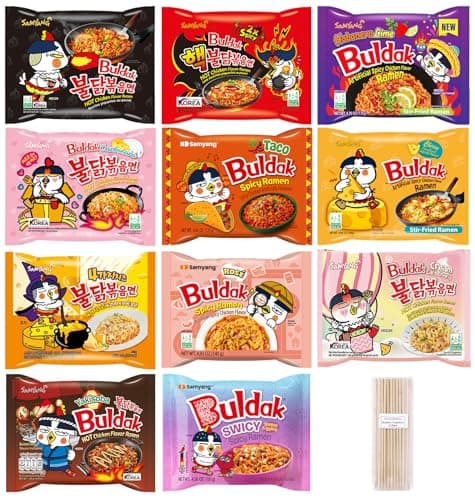
Samyang Buldak Hot Chicken Ramen Variety Pack
Best broad ramen heat flight
A broader ramen flight for heat seekers who want to rank flavors, sauces, and spice levels across a familiar spicy noodle family.
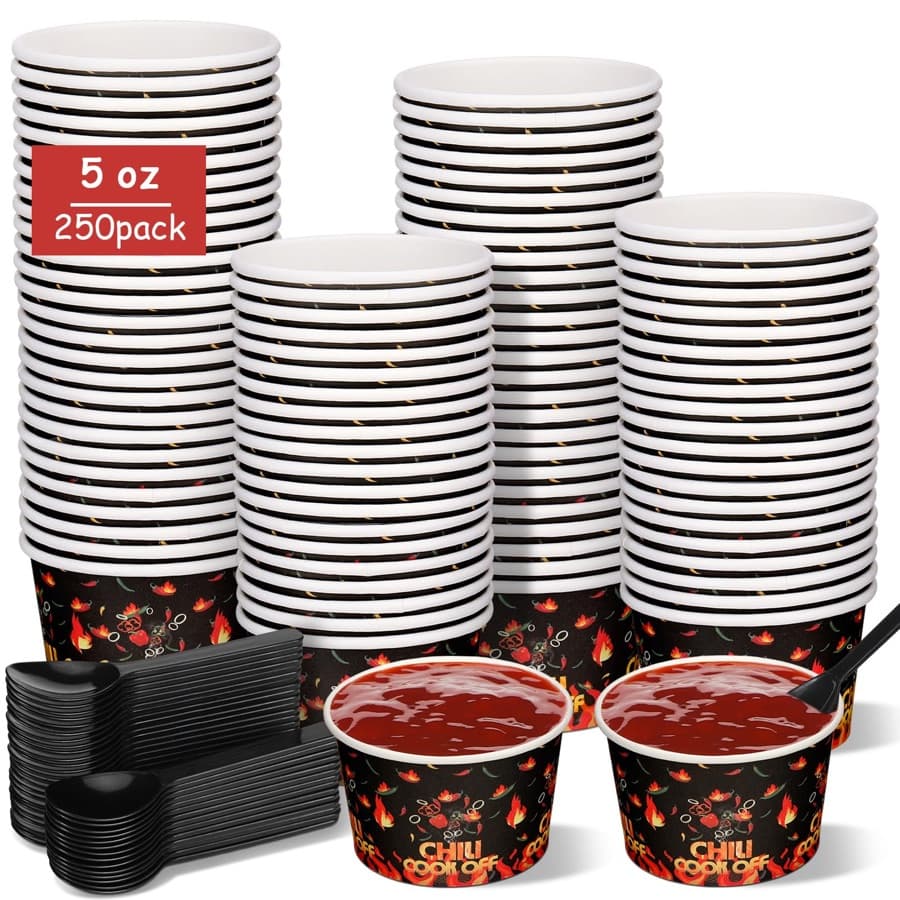
RimCereal Hot Sauce Tasting Party Cups and Spoons
Best responsible tasting support
A practical party-supply kit for people who want small tasting portions, cleaner serving, and a more organized hot sauce flight.
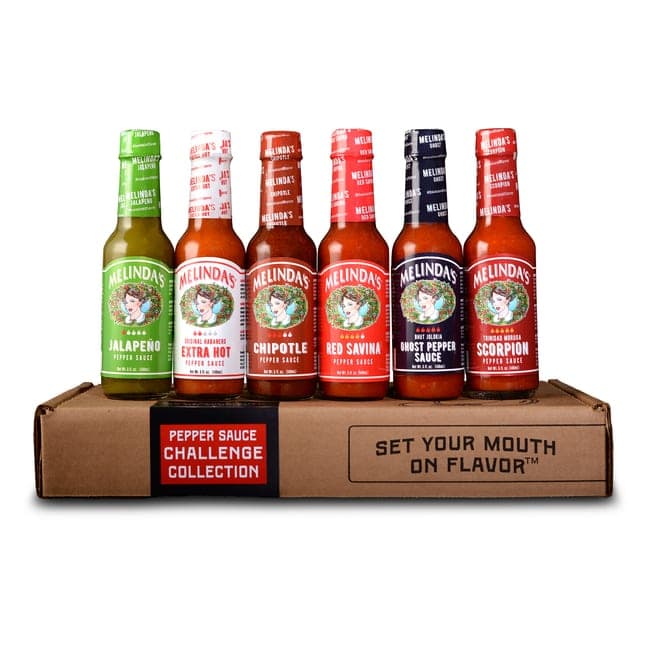
Melinda's Pepper Sauce Challenge Collection
Best recognizable mild-to-superhot brand ladder
A six-bottle challenge collection that lets tasters climb from approachable pepper sauces into much hotter territory with a brand people recognize.
Quick answers
What should I compare before acting on "Hot Sauce Tasting Party: Build a Flavor-First Heat Ladder"?
Compare the ingredients, allergens, heat level, serving size, seller details, and storage instructions, and whether the product matches your group and serving setup.
Should I buy from the article image alone?
No. Use the article to narrow the right product category, then open the buying checklist and retailer listing to confirm current ingredients, allergens, heat level, seller details, pack contents, and return policy.
What is the safest first step before buying?
Confirm the product category fits your guest preferences, label needs, heat tolerance, and serving plan, then check manufacturer instructions and current labels and source references before purchase.
Related Guides
Read Next
How to Build a Heat Ladder for Friends
A practical Flamathon guide to heat ladder, with heat-level checks, label warnings, serving ideas, and references.
Read articleHow to Host a Hot Sauce Challenge Safely
A practical Flamathon guide to hot sauce challenge rules, with heat-level checks, label warnings, serving ideas, and references.
Read articleAllergen Checks for Spicy Snacks
A practical Flamathon guide to spicy food allergy labels, with heat-level checks, label warnings, serving ideas, and references.
Read articleReferences
[1] Reference
Is the One Chip Challenge Dangerous?
Poison Control
Visit source[2] Reference
The One Chip Challenge: Too Hot to Handle
Nationwide Children's Hospital
Visit source[3] Reference
Preventing Food Poisoning
Centers for Disease Control and Prevention
Visit source[4] Reference
4 Steps to Food Safety
FoodSafety.gov
Visit source[5] Reference
Food Allergies
U.S. Food and Drug Administration
Visit source[6] Reference
Food Allergies: The Big 9
USDA Food Safety and Inspection Service
Visit source[7] Reference
Spicy Food Trends
Datassential
Visit source[8] Reference
Pepper Heat Scale and Scoville Chart
Pepper Joe's
Visit source[9] Reference
The FASTER Act: Sesame Is the Ninth Major Food Allergen
U.S. Food and Drug Administration
Visit source