Spicy Sauces · August 3, 2026
Most Popular Spicy Foods Around the World
Most Popular Spicy Foods Around the World: a practical, evidence-aware guide with implementation steps, decision criteria, cautions, and a reusable checklist...
Start here
Most most popular spicy foods around the world failures begin before the visible work starts: the wrong constraint is assumed, the real environment is not measured, or nobody defines what would trigger a stop. A good spicy-food plan protects flavor, food safety, and everyone’s individual tolerance.[1] [2] [3]
This guide answers the decision implied by Most Popular Spicy Foods Around the World. It shows what to verify, how to make a representative test, and how to recognize a limit before a confident recommendation becomes an avoidable problem.[1] [2] [3]
At a glance: the decision path
1. State the reader's decision and desired outcome for “Most Popular Spicy Foods Around the World”.[1] [2] [3]
2. Identify the pepper, extract, seasoning, and cooking method creating the heat, with special attention to most.[1] [2] [3]
3. Set a voluntary serving size that respects individual tolerance, with special attention to popular.[1] [2] [3]
4. Pair the dish with neutral foods and allergen-appropriate cooling options, with special attention to spicy.[1] [2] [3]
5. Track irritation or digestive symptoms as a stop signal rather than a challenge, with special attention to foods.[1] [2] [3]
6. Record the result, unresolved risk, and next review date.[1] [2] [3]
For Most Popular Spicy Foods Around the World, start at checkpoint one even if a later checkpoint appears more interesting. This comparison, recommendation, tutorial, or explainer is useful only when the reader can see its evidence chain.[1] [2] [3]
What this article must help you decide
The practical question is not whether most popular spicy foods around the world is a popular search. It is whether the idea fits a particular person, material, environment, business, photograph, food, child, or mobility need. Write the intended result and one unacceptable result before evaluating the options.[1] [2] [3]
The evidence packet for Most Popular Spicy Foods Around the World is the complete ingredient label, serving size, preparation method, storage history, and each guest’s stated limits. Some items will be controlling requirements; others will be preferences. Mark the difference. If a missing fact could reverse this decision or create an allergen uncertainty, unsafe storage, escalating irritation, or heat that obscures flavor, it must be resolved before the recommendation advances.[1] [2] [3]
A complete evidence-led walkthrough
Checkpoint 1: State the reader's decision and desired outcome for “Most Popular Spicy Foods Around the World”.[1] [2] [3]
Use a two-person check when the consequence is meaningful. One person should state the reader's decision and desired outcome for “Most Popular Spicy Foods Around the World”; the other should compare the action with the complete ingredient label, serving size, preparation method, storage history, and each guest’s stated limits. The second check is not bureaucracy—it catches a mismatch while the work is still reversible. Apply this checkpoint to Most Popular Spicy Foods Around the World, not to the topic cluster in the abstract.[1] [2] [3]
For Most Popular Spicy Foods Around the World, save a short note containing product, ingredients, amount, food pairing, storage condition, and guest feedback. That note is the evidence for checkpoint 1; completion without evidence is only an assumption.[1] [2] [3]
Checkpoint 2: Identify the pepper, extract, seasoning, and cooking method creating the heat, with special attention to most.[1] [2] [3]
Make “identify the pepper, extract, seasoning, and cooking method creating the heat, with special attention to most” a pass/fail gate. State the acceptable range, then compare it with the complete ingredient label, serving size, preparation method, storage history, and each guest’s stated limits. Do not average a failed constraint against convenience. The right response to a conflict is to pause most popular spicy foods around the world, resolve the source of truth, and document the decision. Apply this checkpoint to Most Popular Spicy Foods Around the World, not to the topic cluster in the abstract.[1] [2] [3]
For Most Popular Spicy Foods Around the World, save a short note containing product, ingredients, amount, food pairing, storage condition, and guest feedback. That note is the evidence for checkpoint 2; completion without evidence is only an assumption.[1] [2] [3]
Checkpoint 3: Set a voluntary serving size that respects individual tolerance, with special attention to popular.[1] [2] [3]
Document the starting condition before you set a voluntary serving size that respects individual tolerance, with special attention to popular. Without a baseline, the team may notice change but cannot judge whether it is acceptable. The baseline for most popular spicy foods around the world should be brief, observable, and saved with product, ingredients, amount, food pairing, storage condition, and guest feedback. Apply this checkpoint to Most Popular Spicy Foods Around the World, not to the topic cluster in the abstract.[1] [2] [3]
For Most Popular Spicy Foods Around the World, save a short note containing product, ingredients, amount, food pairing, storage condition, and guest feedback. That note is the evidence for checkpoint 3; completion without evidence is only an assumption.[1] [2] [3]
Checkpoint 4: Pair the dish with neutral foods and allergen-appropriate cooling options, with special attention to spicy.[1] [2] [3]
Assign this action explicitly to the host or cook controlling the serving: pair the dish with neutral foods and allergen-appropriate cooling options, with special attention to spicy. Give that person authority to stop the sequence when an allergen uncertainty, unsafe storage, escalating irritation, or heat that obscures flavor appears. Clear ownership prevents a common failure in most popular spicy foods around the world: everyone sees the concern, but each person assumes someone else will make the decision. Apply this checkpoint to Most Popular Spicy Foods Around the World, not to the topic cluster in the abstract.[1] [2] [3]
For Most Popular Spicy Foods Around the World, save a short note containing product, ingredients, amount, food pairing, storage condition, and guest feedback. That note is the evidence for checkpoint 4; completion without evidence is only an assumption.[1] [2] [3]
Checkpoint 5: Track irritation or digestive symptoms as a stop signal rather than a challenge, with special attention to foods.[1] [2] [3]
Ask what would make this action wrong in the present setting, then track irritation or digestive symptoms as a stop signal rather than a challenge, with special attention to foods. Compare the answer with the complete ingredient label, serving size, preparation method, storage history, and each guest’s stated limits. This counter-check is especially valuable when a familiar method is being reused with a different person, product, location, or workload. Apply this checkpoint to Most Popular Spicy Foods Around the World, not to the topic cluster in the abstract.[1] [2] [3]
For Most Popular Spicy Foods Around the World, save a short note containing product, ingredients, amount, food pairing, storage condition, and guest feedback. That note is the evidence for checkpoint 5; completion without evidence is only an assumption.[1] [2] [3]
Checkpoint 6: Record the result, unresolved risk, and next review date.[1] [2] [3]
Do not treat “record the result, unresolved risk, and next review date” as a box to tick. Explain what the step protects and what evidence will prove it worked. Capture product, ingredients, amount, food pairing, storage condition, and guest feedback, then compare the observation with the stated result. Continue only when the evidence supports the next checkpoint. Apply this checkpoint to Most Popular Spicy Foods Around the World, not to the topic cluster in the abstract.[1] [2] [3]
For Most Popular Spicy Foods Around the World, save a short note containing product, ingredients, amount, food pairing, storage condition, and guest feedback. That note is the evidence for checkpoint 6; completion without evidence is only an assumption.[1] [2] [3]
A representative scenario to test
Build the trial around the ordinary user, ordinary workload, and ordinary environment. For most popular spicy foods around the world, begin with state the reader's decision and desired outcome for “Most Popular Spicy Foods Around the World”. Then use one measured taste served with neutral food to see whether you can set a voluntary serving size that respects individual tolerance, with special attention to popular. The attempt ends immediately if an allergen uncertainty, unsafe storage, escalating irritation, or heat that obscures flavor appears. A passing result must still show that the final checkpoint—record the result, unresolved risk, and next review date—is practical for normal use.[1] [2] [3]
Record the baseline before testing Most Popular Spicy Foods Around the World. Make it observable and short enough to collect again. Do not improve the conditions merely to obtain a passing result; the purpose is to learn whether this advice survives its actual setting.[1] [2] [3]
Failure signals and recovery
A polished result can still be a failed result when one of these conditions is present.[1] [2] [3]
• The article's promise is broader than the evidence available for most popular spicy foods around the world.[1] [2] [3]
• The test avoids the real constraint described by spicy foods.[1] [2] [3]
• The method continues after an allergen uncertainty, unsafe storage, escalating irritation, or heat that obscures flavor is observed.[1] [2] [3]
• The conclusion cannot be reconstructed from product, ingredients, amount, food pairing, storage condition, and guest feedback.[1] [2] [3]
• No one has accepted ownership for record the result, unresolved risk, and next review date.[1] [2] [3]
When one of these Most Popular Spicy Foods Around the World signals appears, stop the active step, protect the people and property involved, and preserve the evidence. Return to the earliest failed checkpoint. Change one variable or obtain the missing qualified guidance before another bounded test.[1] [2] [3]
Boundaries, cautions, and source checks
For this Most Popular Spicy Foods Around the World review: Food and tolerance caution: check every ingredient label for allergen and cross-contact warnings, keep perishable foods within safe time and temperature limits, and never pressure someone to exceed their stated heat tolerance. Capsaicin can irritate skin, eyes, and the digestive tract. People with medical concerns should seek individualized clinical guidance; urgent symptoms require prompt help.[1] [2] [3]
Use these authoritative pages as starting points:[1] [2] [3]
• FDA food-allergen guidance[1] [2] [3]
• USDA food-storage guidance[1] [2] [3]
• Poison Control capsaicin guidance[1] [2] [3]
For Most Popular Spicy Foods Around the World, check each source's publication date, jurisdiction, model, audience, and scope. A general official page may establish the baseline while the relevant manufacturer, land manager, clinician, attorney, tax adviser, supplier, accreditor, or other qualified professional resolves the exact case.[1] [2] [3]
Your next 20 minutes
Write the result promised by Most Popular Spicy Foods Around the World in one measurable sentence. Complete the first checkpoint and gather one item from the evidence packet. If the high-consequence facts are clear, prepare one measured taste served with neutral food; otherwise send one focused question to the person or authority who can resolve the blocker.[1] [2] [3]
The goal for Most Popular Spicy Foods Around the World is a defensible next action, not artificial momentum. End the session by naming the host or cook controlling the serving as the owner and recording the first review date.[1] [2] [3]
Related guides
FAQ
What is the first fact to verify for Most Popular Spicy Foods Around the World?.[1] [2] [3]
Start with this checkpoint: state the reader's decision and desired outcome for “Most Popular Spicy Foods Around the World”. It defines the scope of the answer and prevents a general claim from being applied to the wrong setting.[1] [2] [3]
What makes the evidence strong enough to continue?.[1] [2] [3]
For Most Popular Spicy Foods Around the World, the evidence should describe the real setting and include product, ingredients, amount, food pairing, storage condition, and guest feedback. It should also show that an allergen uncertainty, unsafe storage, escalating irritation, or heat that obscures flavor has not been ignored or averaged against convenience.[1] [2] [3]
What should happen after the first test?.[1] [2] [3]
Compare the Most Popular Spicy Foods Around the World result with its original success condition. Decide whether to adopt the method, revise one variable, seek qualified guidance, or stop. Then complete the final checkpoint: record the result, unresolved risk, and next review date.[1] [2] [3]
Recommended Next Step
Compare heat picks that fit this topic.
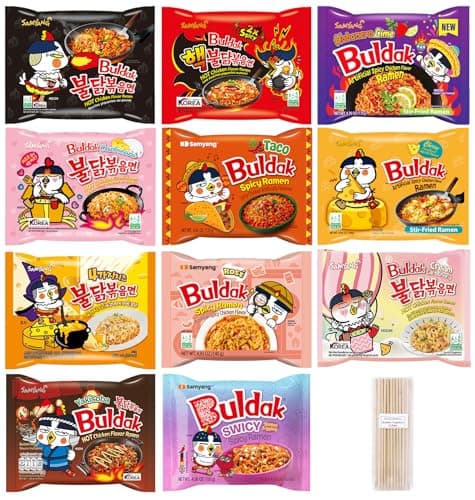
Samyang Buldak Hot Chicken Ramen Variety Pack
Best broad ramen heat flight
A broader ramen flight for heat seekers who want to rank flavors, sauces, and spice levels across a familiar spicy noodle family.
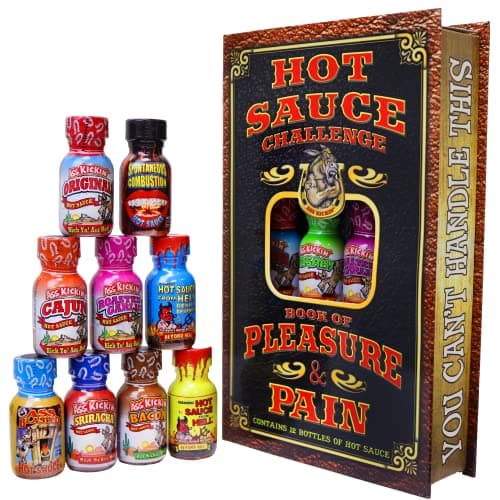
Ass Kickin' Hot Sauce Challenge Book
Best novelty challenge gift
A book-style hot sauce challenge set built for gifting, game nights, and people who want the theater of a spicy progression.
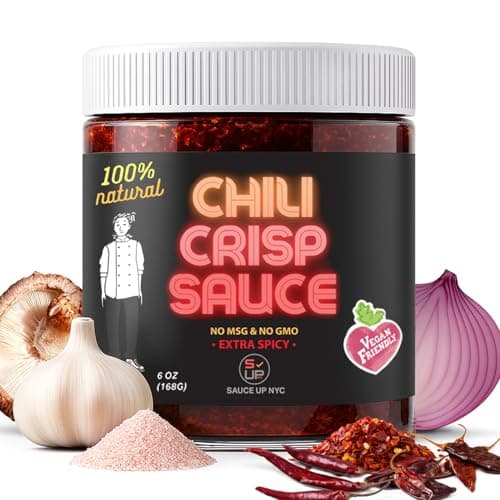
SAUCE UP Extra Spicy Chili Crisp
Best single-jar extra spicy crisp
A single-jar option for people who want a bold chili crisp without committing to a larger bundle.
Quick answers
What should I compare before acting on "Most Popular Spicy Foods Around the World"?
Compare the ingredients, allergens, heat level, serving size, seller details, and storage instructions, and whether the product matches your group and serving setup.
Should I buy from the article image alone?
No. Use the article to narrow the right product category, then open the buying checklist and retailer listing to confirm current ingredients, allergens, heat level, seller details, pack contents, and return policy.
What is the safest first step before buying?
Confirm the product category fits your guest preferences, label needs, heat tolerance, and serving plan, then check manufacturer instructions and current labels and source references before purchase.
Related Guides
Read Next
Build a Hot Sauce Tasting Flight Without Overdoing It
A practical guide to build a hot sauce tasting flight without overdoing it, with clear decisions, cautions, and next steps.
Read articleWhat Are Spicy Sauces
What Are Spicy Sauces: a practical, evidence-aware guide with implementation steps, decision criteria, cautions, and a reusable checklist for spicy sauces gu...
Read article5 Types of Sauces Explained
5 Types of Sauces Explained: a practical, evidence-aware guide with implementation steps, decision criteria, cautions, and a reusable checklist for spicy sau...
Read article